Spinal Decompression vs Surgery for Herniated Discs
Spinal Decompression vs. Surgery for Herniated Discs: Cost, Recovery & Success Rates Compared Being told you may need back surgery is a turning point. For many patients with…

If you are living with chronic back pain, sciatica, or disc-related symptoms, you have likely been told that surgery or injections are the next step. Many patients come to our clinic looking for a more conservative option that addresses the underlying cause of pain, not just the symptoms. That is where DRX9000 spinal decompression therapy comes in.
At our chiropractic clinic in Tarpon Springs, spinal decompression is one of our most frequently requested services because it is non-surgical, evidence-informed, and designed specifically for disc and nerve-related conditions. This article explains what spinal decompression is, how the DRX9000 works, and exactly what you can expect during your first visit.
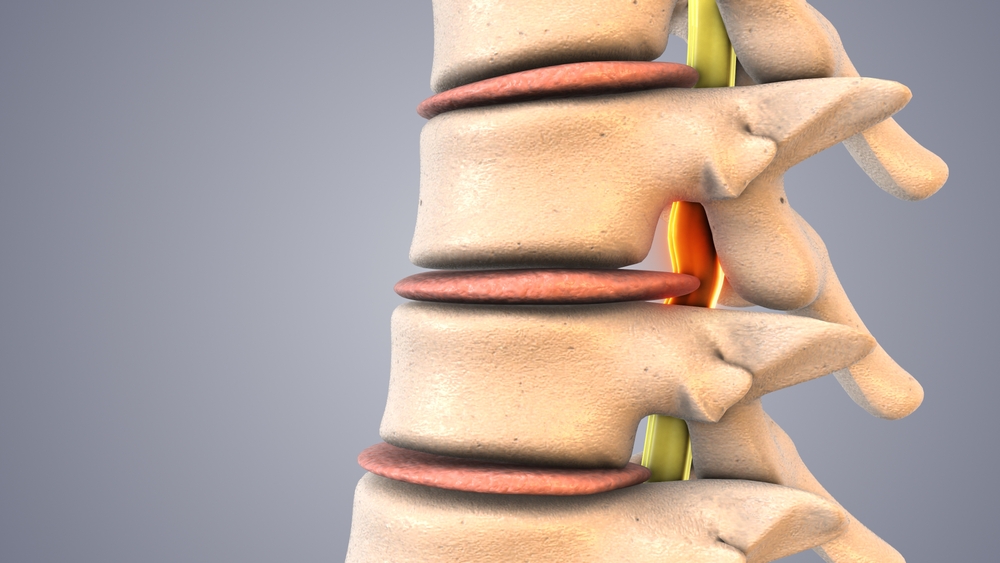
Spinal decompression is a form of non-surgical traction therapy designed to reduce pressure on spinal discs and nerves. Unlike older traction systems, modern decompression systems such as the DRX9000 are computer-controlled and highly precise.
The goal is to create a gentle negative pressure inside the disc. This pressure change can help reposition disc material and improve fluid movement to injured tissues.
Spinal decompression is not a general wellness treatment. It is a targeted therapy used when clinical findings indicate disc or nerve involvement.
The DRX9000 system is designed to apply controlled, intermittent traction to specific segments of the spine. Unlike manual traction or inversion tables, the DRX9000 adjusts force dynamically based on patient feedback and muscle resistance.
During treatment, the system alternates between distraction and relaxation phases. This cycling allows spinal muscles to remain relaxed while reducing compressive forces on the disc.
Clinical research suggests that decompression can:
This process supports the body’s natural healing mechanisms rather than forcing structural changes.
Not every patient with back pain is a candidate for decompression. A thorough evaluation is critical before starting care.
Certain conditions such as fractures, advanced osteoporosis, or spinal instability may rule out decompression. That is why your first visit focuses heavily on assessment.
Your initial appointment is designed to determine whether spinal decompression is appropriate and safe for your condition. This visit is not rushed and does not involve immediate treatment unless clinically appropriate.
We begin by discussing your symptoms, history of injury, prior imaging, and previous treatments. Understanding how and when your pain started helps us identify disc-related patterns.
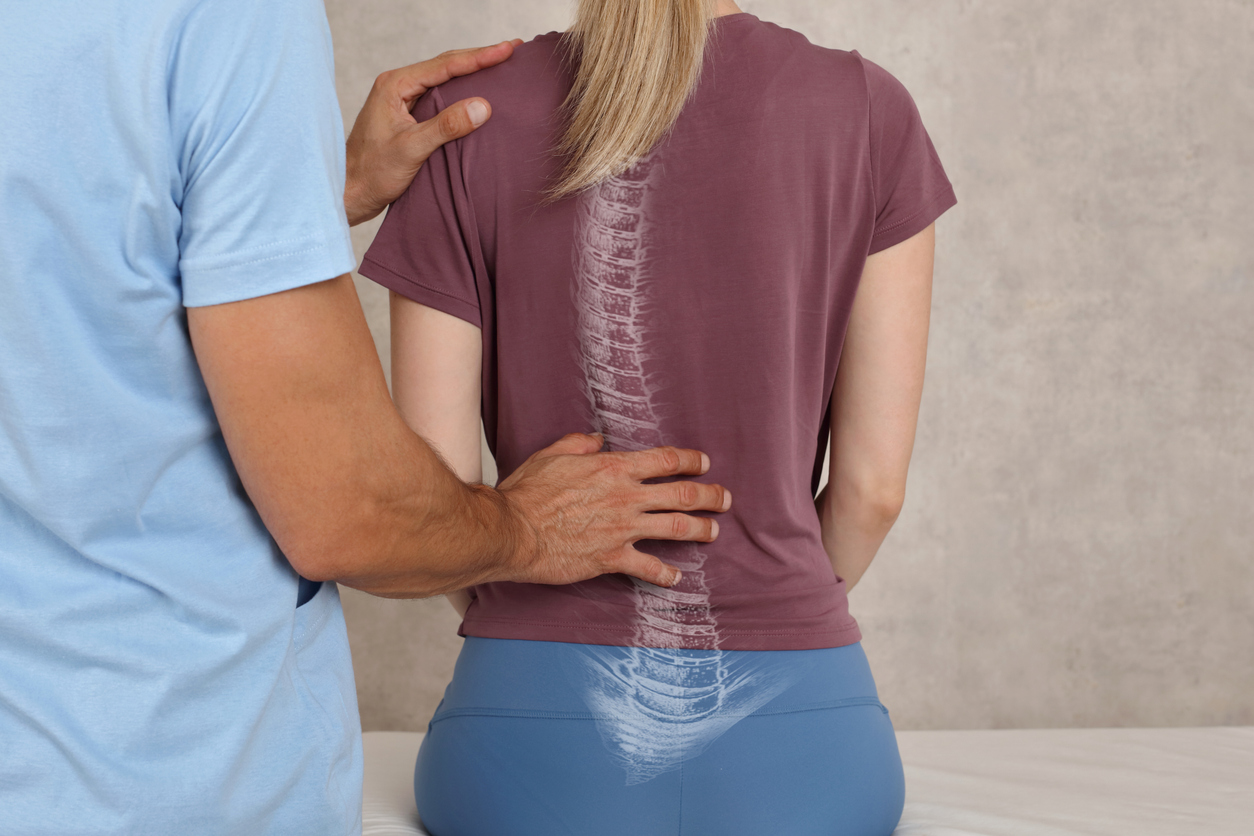
This includes posture analysis, range of motion testing, orthopedic exams, and neurological screening. These findings help us determine whether nerve compression is present.
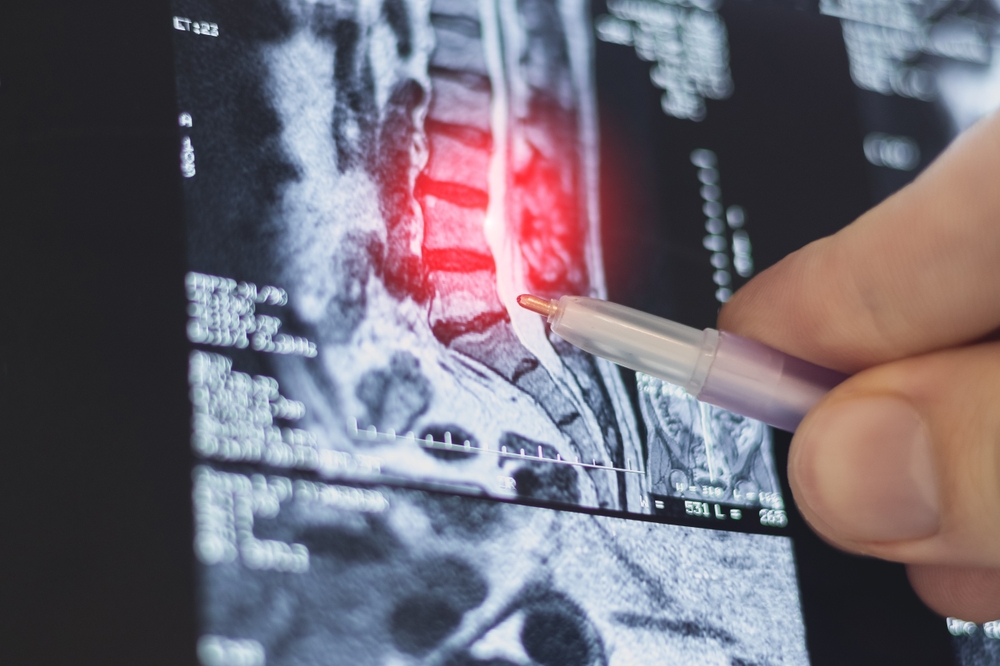
If you have existing MRI or X-ray reports, we review them carefully. If imaging is needed, we will discuss appropriate next steps before initiating decompression.
If you are a candidate, we outline a decompression care plan tailored to your condition. This includes frequency, duration, and complementary therapies if indicated.
Patients are often surprised by how comfortable decompression sessions are. The treatment is painless and closely monitored.
During the session:
Most sessions last about 30 minutes. Many patients report a sense of stretching or pressure relief, not pain.
Doctor’s Note:
One of the most consistent observations we see is that patients who were told surgery was their only option often respond well to decompression when disc involvement is identified early. The key is proper patient selection and adherence to a structured treatment plan rather than expecting instant results from a single session.
Clinical studies suggest that non-surgical spinal decompression can be effective for reducing pain and improving function in patients with disc-related conditions. Research has shown improvements in pain scores, mobility, and quality of life when decompression is used as part of a comprehensive care plan.
While no treatment works for everyone, decompression offers a conservative option supported by growing clinical evidence.
Spinal decompression works cumulatively. Most care plans involve multiple sessions over several weeks.
This approach allows tissues to adapt and heal progressively rather than being overstressed.
No. Traditional traction applies constant force, while spinal decompression uses computer-controlled, variable force designed to avoid muscle guarding.
When properly prescribed and supervised, decompression is considered safe for appropriate candidates.
Coverage varies by plan. Our office reviews benefits and explains costs clearly before starting care.
Some patients experience early relief, while others improve gradually over several weeks. Consistency is critical.
If you are dealing with chronic back pain, disc issues, or sciatica and want to avoid invasive procedures, DRX9000 spinal decompression may be an appropriate option. The first step is a thorough evaluation to determine whether this therapy fits your condition.
Our Tarpon Springs clinic offers comprehensive spinal decompression consultations focused on clinical accuracy, patient safety, and realistic outcomes. Contact our office today to schedule your first visit and find out whether DRX9000 spinal decompression is right for you.
© TARPON SPINE CENTER 2024. All Rights Reserved - PRIVACY POLICY
