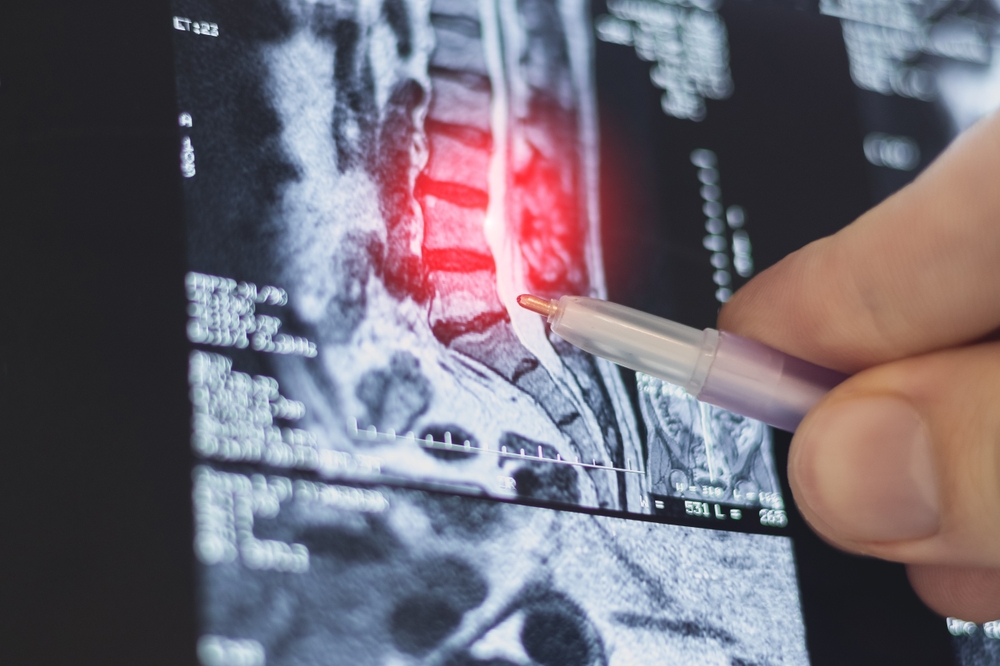
Spinal Decompression vs Surgery for Herniated Discs
Spinal Decompression vs. Surgery for Herniated Discs: Cost, Recovery & Success Rates Compared Being told you may need back surgery is a turning point. For many patients with…


Patients considering spinal decompression are usually skeptical for a reason. Many have tried physical therapy, injections, medication, or rest with limited results. By the time they ask about DRX9000, the question is no longer whether they want relief. It is whether this actually works or is just another delay before surgery.
At our chiropractic clinic in Tarpon Springs, spinal decompression is not presented as a miracle cure. It is a condition-specific treatment used when clinical findings support disc-related nerve compression. When applied to the right cases, outcomes are often meaningful. When applied indiscriminately, they are not.
This article breaks down what “success” actually means with DRX9000, what research shows about effectiveness, and which patients are most likely to benefit.
This is where most confusion starts.
A herniated disc does not need that disc to be surgically removed or “pushed back in” to improve. In fact, research shows many disc herniations reduce in size naturally over time when mechanical stress is reduced and inflammation resolves.
Clinically, success means:
DRX9000 does not repair discs structurally. It changes the mechanical environment so the body can heal.
DRX9000 is a computer-controlled spinal decompression system. Unlike basic traction, it applies variable, segment-specific forces to the spine.
This unloading effect cannot be achieved through stretching, inversion tables, or manual traction alone.
While spinal decompression is not appropriate for all disc cases, clinical studies and outcome data show promising results for properly selected patients.
Research and outcome-based studies suggest:
Importantly, studies comparing surgery and conservative care show that while surgery may offer faster short-term relief for some patients, long-term outcomes are often similar when conservative care is successful.
Success rates vary widely depending on how “success” is defined and who is included.
In clinical practice, decompression tends to be most effective when:
Patients meeting these criteria often experience meaningful improvement without surgery.
Cases with progressive weakness, spinal instability, or certain advanced degenerative changes are less likely to succeed and require referral.
When decompression fails, it is rarely because the technology is ineffective. More often, one of these factors is present:
Proper diagnosis matters more than the machine itself.
Doctor’s Note:
The most consistent predictor of success we see is patient selection. When decompression is recommended based on exam findings and imaging correlation, outcomes are dramatically better than when it is used as a general back pain treatment. Decompression works best when it is used deliberately, not broadly.
From a risk standpoint, spinal decompression and surgery are not comparable.
Many patients choose decompression because it allows them to try a conservative option before committing to an irreversible procedure.
Success is rarely instant. It is progressive.
Patients who respond well typically report:
Improvement often continues even after active care concludes as disc healing progresses.
DRX9000 is not a one-visit solution. Most protocols involve:
Consistency is critical. Sporadic treatment reduces effectiveness.
It does not “fix” the disc structurally, but it can reduce symptoms and support natural disc healing, which is often what patients need to avoid surgery.
Some large herniations respond well, particularly if neurological deficits are stable. Evaluation determines suitability.
In some cases, yes. Many surgical recommendations are based on imaging alone rather than clinical progression.
Most patients notice measurable changes within the first few weeks when decompression is appropriate.
Spinal decompression should never be sold as a guarantee. It should be offered as an evidence-informed option when clinical findings support its use.
Our Tarpon Springs clinic performs comprehensive evaluations to determine whether DRX9000 spinal decompression is appropriate for your herniated disc, or whether referral for surgical consultation is the better choice. If you are researching decompression because you want real answers before committing to surgery, contact our office to schedule a consultation and get clarity based on your specific condition.
© TARPON SPINE CENTER 2024. All Rights Reserved - PRIVACY POLICY
