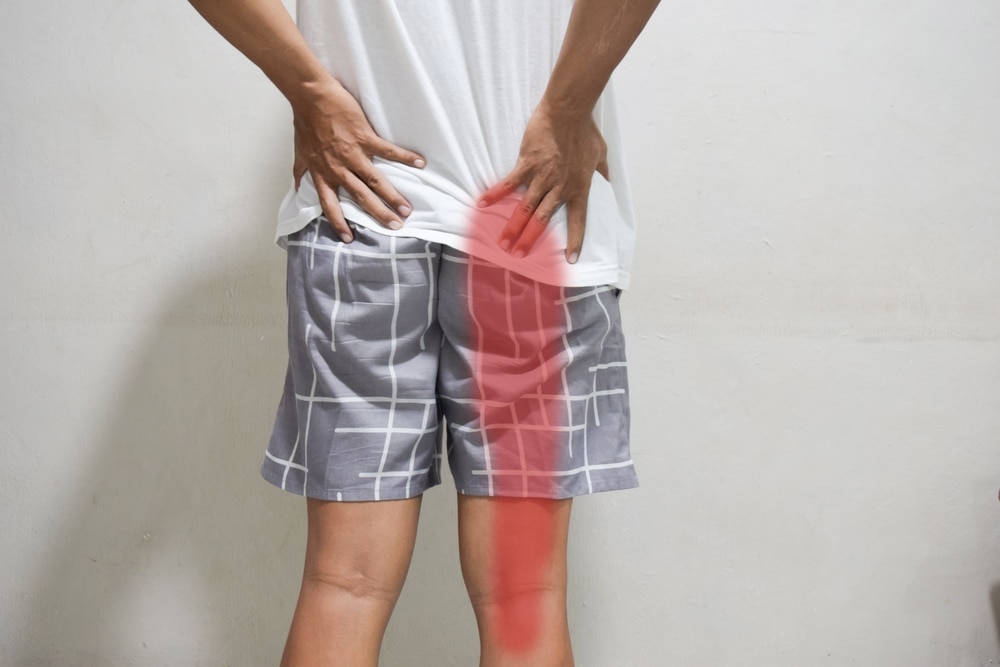
Can a Chiropractor Help with Sciatica?
Can a Chiropractor Help with Sciatica? What Research Says About Success Rates Sciatica pain has a way of forcing decisions quickly. When pain shoots down the leg, disrupts…

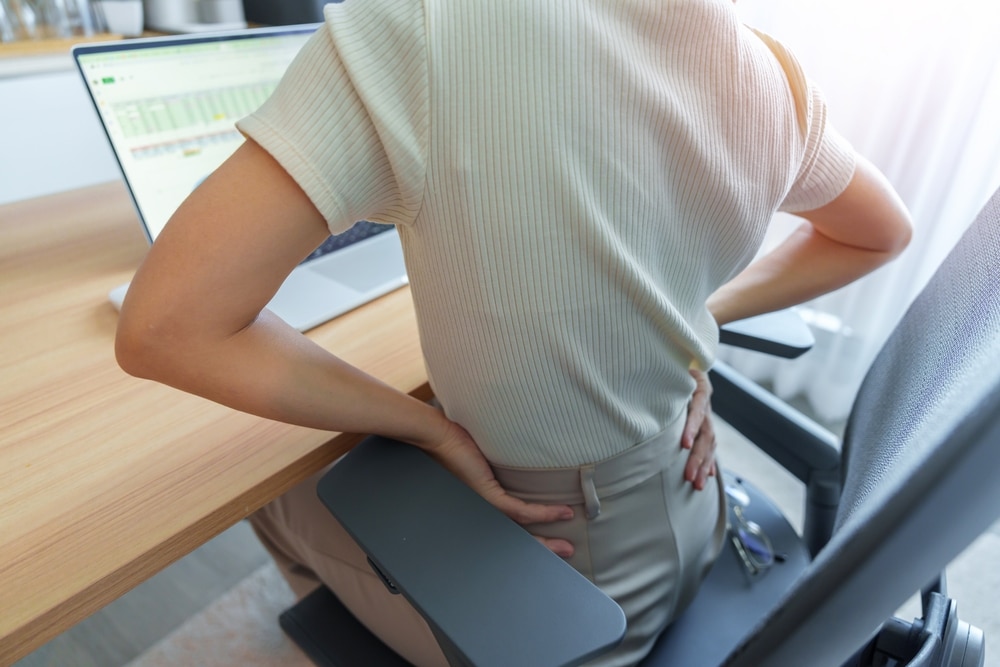
If your lower back hurts more when you sit than when you move, you are not alone. For many office workers, the workday itself becomes the trigger for chronic pain. Long hours at a desk place sustained stress on the lumbar spine, often in ways the body cannot adapt to without consequence.
At our chiropractic clinic in Tarpon Springs, lower back pain related to prolonged sitting is one of the most common complaints we evaluate. Patients are often surprised to learn that sitting can place more pressure on spinal discs than standing or walking. Understanding why this happens is the first step toward fixing it.
From a biomechanical perspective, the spine was designed for movement, not prolonged static positions. Sitting, especially with poor posture, alters normal spinal curves and increases load on the lumbar discs.
When you sit:
Over time, this sustained pressure contributes to disc irritation, joint stiffness, and muscle imbalance.
Desk jobs combine several risk factors that accelerate spinal stress:
These factors create a cycle where spinal joints lose mobility, muscles weaken or overwork, and discs absorb excessive load. Pain is often the final signal that the system is overloaded.
Lower back pain related to sitting follows recognizable patterns.
These symptoms suggest mechanical stress rather than an isolated muscle strain.
Stretching is frequently recommended for desk-related back pain. While helpful in some cases, stretching alone rarely solves the problem.
Stretching does not:
Without correcting spinal mechanics, pain often returns as soon as you sit down again.
Chiropractic care focuses on restoring normal movement and load distribution in the spine. This approach targets the root cause rather than managing symptoms.
Care plans are individualized based on exam findings, not generic exercises.
Doctor’s Note:
A pattern we see frequently is pain that disappears on weekends and returns by Tuesday afternoon. That pattern strongly points to sitting mechanics rather than structural damage. When we restore spinal mobility and guide patients on how to interrupt prolonged sitting, pain often improves faster than expected.
Clinical research suggests that prolonged sitting increases intradiscal pressure in the lumbar spine compared to standing. Studies have also shown that reduced spinal movement during the workday is associated with higher rates of chronic low back pain.
Research further indicates that conservative, movement-based care improves function and reduces pain in patients with occupation-related back pain.
Your first visit focuses on identifying why sitting aggravates your spine.
The evaluation typically includes:
Treatment is recommended only after determining which structures are contributing to your pain.
While care addresses the underlying issue, daily habits matter.
These strategies work best when paired with care that restores proper spinal mechanics.
Sitting increases disc pressure and reduces spinal movement, which can irritate joints and discs.
Poor chair support contributes, but spinal mechanics and posture play a larger role.
Yes. Many sitting-related issues involve joint dysfunction and muscle imbalance not visible on imaging.
Some patients improve quickly, while others require structured care over several weeks depending on severity and duration.
Lower back pain from sitting is not inevitable, even with a desk job. When pain persists, it usually signals a mechanical issue that needs to be addressed directly.
Our Tarpon Springs clinic evaluates and treats desk-related lower back pain with a focus on restoring movement, reducing disc stress, and helping patients sit, work, and live more comfortably. If sitting is destroying your spine, it is time to address the cause. Contact our office to schedule a consultation and take the next step toward lasting relief.

© TARPON SPINE CENTER 2024. All Rights Reserved - PRIVACY POLICY
