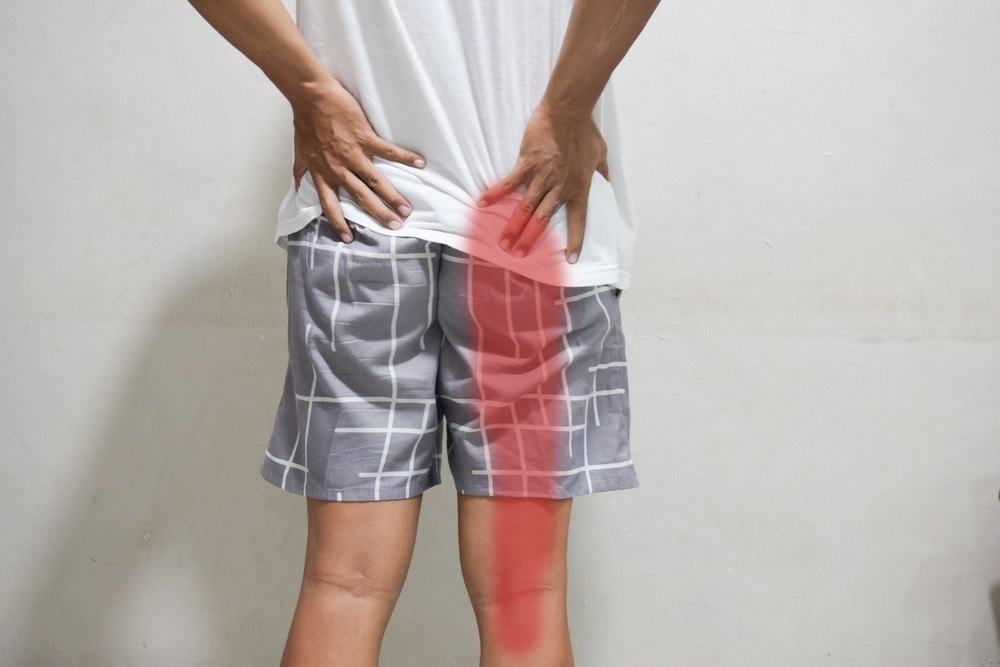
Can a Chiropractor Help with Sciatica?
Can a Chiropractor Help with Sciatica? What Research Says About Success Rates Sciatica pain has a way of forcing decisions quickly. When pain shoots down the leg, disrupts…


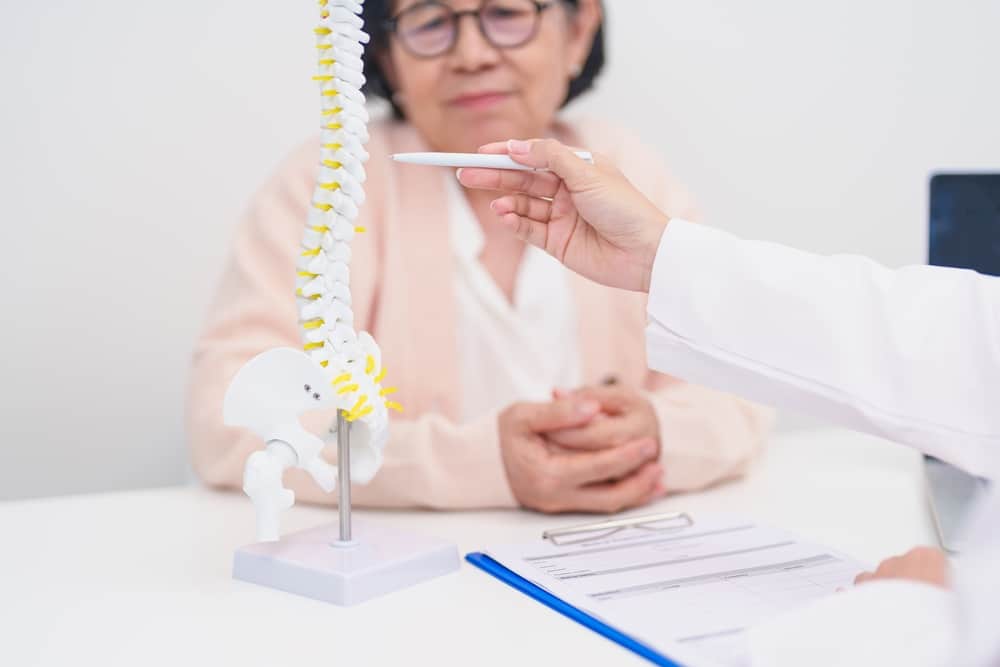
When back pain does not improve, many patients are told surgery is the next step. For some conditions, surgery is necessary. For many others, it is not. Research over the past two decades consistently shows that a large percentage of back pain cases improve with conservative, non-surgical care when treatment targets the true cause of the problem.
At our chiropractic clinic in Tarpon Springs, we regularly evaluate patients who were advised to consider surgery but had not yet explored all non-invasive options. Understanding what works, and why, allows patients to make informed decisions before committing to irreversible procedures.
This article outlines five non-surgical back treatments supported by clinical research, explains who they help most, and clarifies when surgery may still be appropriate.
Back surgery is typically recommended when imaging shows disc damage or spinal degeneration. However, imaging findings do not always correlate with pain severity. Many people with disc herniations or degeneration have no symptoms at all.
Clinical guidelines increasingly emphasize:
The goal is to reduce pain and restore function with the least invasive approach possible.
Chiropractic care focuses on restoring normal joint motion, reducing mechanical stress, and improving spinal function.
This approach is particularly effective for back pain driven by joint restriction, postural strain, or disc-related mechanics rather than structural instability.
Spinal decompression is designed for disc-related back pain and nerve compression. Using computer-controlled systems, decompression gently unloads the affected spinal segment.
Decompression is not appropriate for every patient, but when disc compression is the primary driver of pain, it offers a non-invasive alternative to surgery.
Rehabilitation focuses on restoring strength, coordination, and movement patterns that protect the spine.
Rehabilitation is most effective when combined with care that restores joint motion, rather than used in isolation.
Many back pain cases persist because daily habits continue to stress injured tissues.
While often overlooked, correcting daily stressors is essential for lasting improvement and preventing escalation to surgery.
In some cases, medication or injections play a role in short-term pain reduction.
Used appropriately, they can support recovery, but relying on them alone rarely produces lasting results.
Non-surgical treatments are most effective when:
Early intervention improves outcomes and reduces the likelihood of needing surgery later.
Doctor’s Note:
One of the most common regrets we hear is, “I wish I had tried this sooner.” Many patients respond well to conservative care once the correct driver of their pain is identified. Surgery should be a last step, not the first option presented.
Large-scale studies comparing surgery and conservative care for conditions like herniated discs have shown:
This is why clinical guidelines increasingly support exhausting conservative options first.
A proper evaluation determines whether surgery is truly necessary.
The assessment typically includes:
Treatment recommendations are based on findings, not fear.
Yes, in many cases. Research supports conservative care as an effective first-line approach.
Most guidelines support a structured trial unless severe neurological symptoms are present.
Imaging must be correlated with symptoms. Many disc findings respond well to conservative care.
Progressive weakness, bowel or bladder changes, or spinal instability require immediate medical evaluation.
Back surgery is sometimes necessary, but it should never be the default choice. Understanding non-surgical options backed by research allows you to decide from a position of knowledge rather than urgency.
Our Tarpon Springs clinic specializes in conservative back pain evaluation and non-surgical treatment strategies designed to reduce pain, restore function, and help patients avoid unnecessary surgery whenever possible. If you are facing a surgical recommendation and want a clear, evidence-informed second opinion, contact our office to schedule a consultation and explore your options before taking the next step.

© TARPON SPINE CENTER 2024. All Rights Reserved - PRIVACY POLICY
