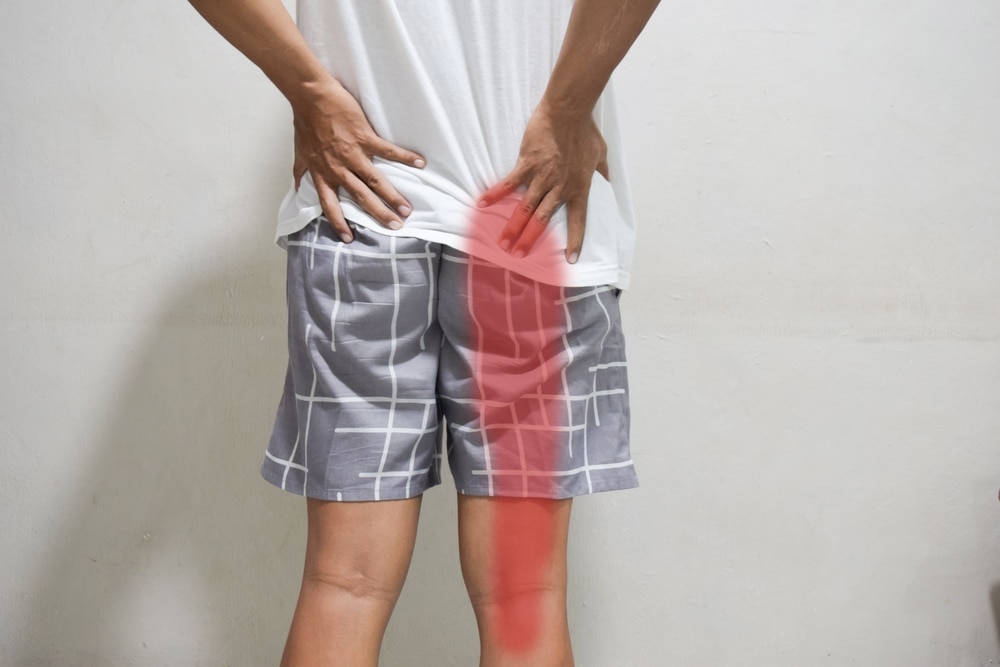
Can a Chiropractor Help with Sciatica?
Can a Chiropractor Help with Sciatica? What Research Says About Success Rates Sciatica pain has a way of forcing decisions quickly. When pain shoots down the leg, disrupts…

Being told you may need back surgery is a turning point. For many patients with herniated discs, the decision feels urgent and high-risk. Surgery is often presented as the final solution, yet many people are unaware that non-surgical spinal decompression may be a viable alternative depending on the severity and presentation of the disc injury.
At our chiropractic clinic in Tarpon Springs, we routinely evaluate patients who were told surgery was inevitable. Some truly do require surgical care. Many do not. The difference lies in understanding the condition, weighing realistic outcomes, and choosing the least invasive option that can still deliver results.
This article compares spinal decompression and surgery for herniated discs across cost, recovery time, risks, and success rates so you can make an informed decision.
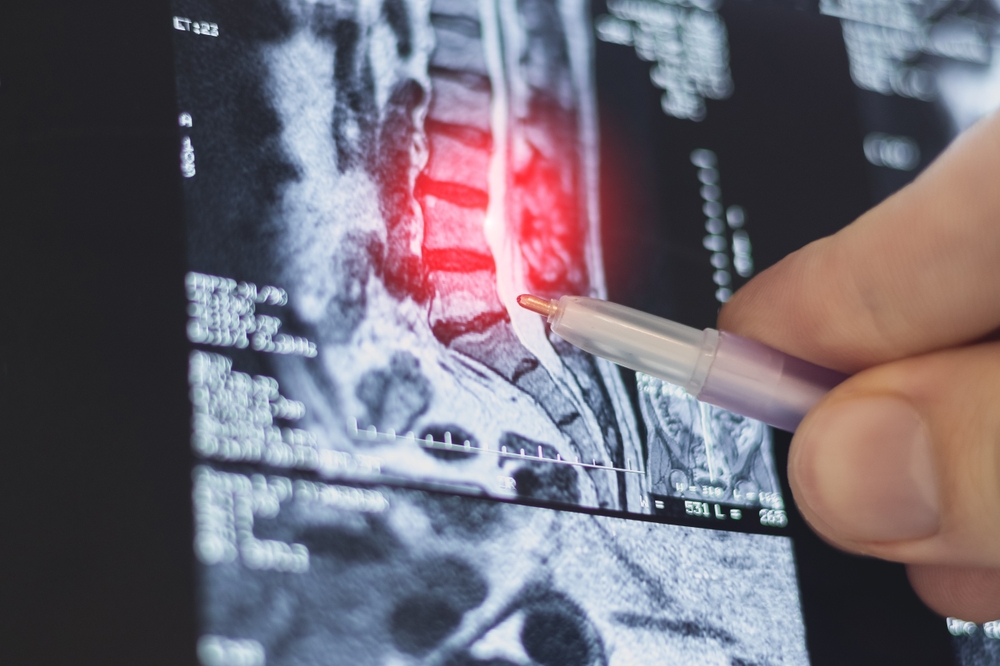
A herniated disc occurs when the inner disc material pushes through a tear in the outer layer, potentially compressing nearby nerves. This compression often causes leg pain, numbness, tingling, or weakness.
The clinical question is not simply “Is there a herniation?”
It is “Is this herniation causing progressive neurological damage or unmanageable pain?”
Most herniated discs are not surgical emergencies. Conservative care is typically recommended first unless red flags are present.
Spinal decompression is a non-surgical therapy aimed at reducing pressure on the injured disc and affected nerve roots. Using computer-controlled systems such as DRX9000, decompression applies precise, intermittent traction to the involved spinal segment.
Decompression does not force discs back into place. It creates an environment that allows inflammation to decrease and tissues to recover over time.
Surgery for herniated discs typically involves procedures such as discectomy or microdiscectomy. These procedures remove or trim disc material to relieve nerve compression.
Surgery may be necessary when:
While surgery can be effective in appropriate cases, it is irreversible and carries inherent risks.
Cost is often overlooked until after treatment begins.
Even with insurance, surgical out-of-pocket expenses can be substantial. Decompression represents a lower financial risk for many patients exploring conservative options first.
Recovery timelines differ significantly between these two approaches.
For working adults, recovery time alone can be a deciding factor.
Clinical research suggests that many herniated discs improve with conservative, non-surgical care. Studies have shown that a large percentage of disc herniations reduce in size over time when mechanical stress is reduced.
Research comparing surgery and conservative care has found:
Success depends heavily on patient selection, severity of symptoms, and adherence to care recommendations.
Once surgery is performed, spinal mechanics are permanently altered. Conservative care preserves future options.
Doctor’s Note:
One of the most common regrets we hear from post-surgical patients is that they were never offered conservative care first. When decompression is appropriate, it often allows patients to avoid surgery entirely or delay it long enough to make a more confident decision.
A thorough evaluation is critical. Treatment decisions are based on:
If surgical red flags are present, we refer appropriately. If conservative care is reasonable, decompression may be recommended as a first-line option.
In many cases, yes. In others, surgery remains necessary. Proper diagnosis determines suitability.
Some large herniations respond well, particularly when neurological deficits are stable. Evaluation is key.
Surgery alters anatomy permanently but does not guarantee lifelong relief. Long-term outcomes vary.
Most guidelines support a structured trial of conservative care before surgery unless urgent symptoms exist.
Choosing between spinal decompression and surgery is not about avoiding surgery at all costs. It is about choosing the right level of intervention at the right time.
Our Tarpon Springs clinic provides comprehensive herniated disc evaluations designed to determine whether spinal decompression is appropriate or whether surgical consultation is necessary. If you are facing this decision and want a clear, evidence-informed recommendation, contact our office to schedule a consultation and explore your options with confidence.

© TARPON SPINE CENTER 2024. All Rights Reserved - PRIVACY POLICY
