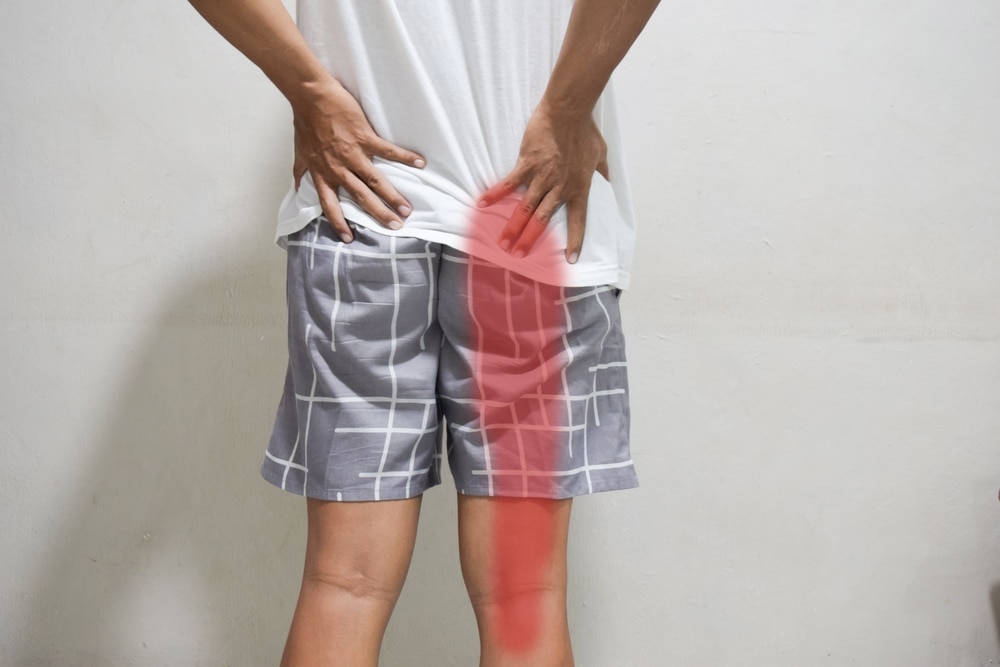
Can a Chiropractor Help with Sciatica?
Can a Chiropractor Help with Sciatica? What Research Says About Success Rates Sciatica pain has a way of forcing decisions quickly. When pain shoots down the leg, disrupts…

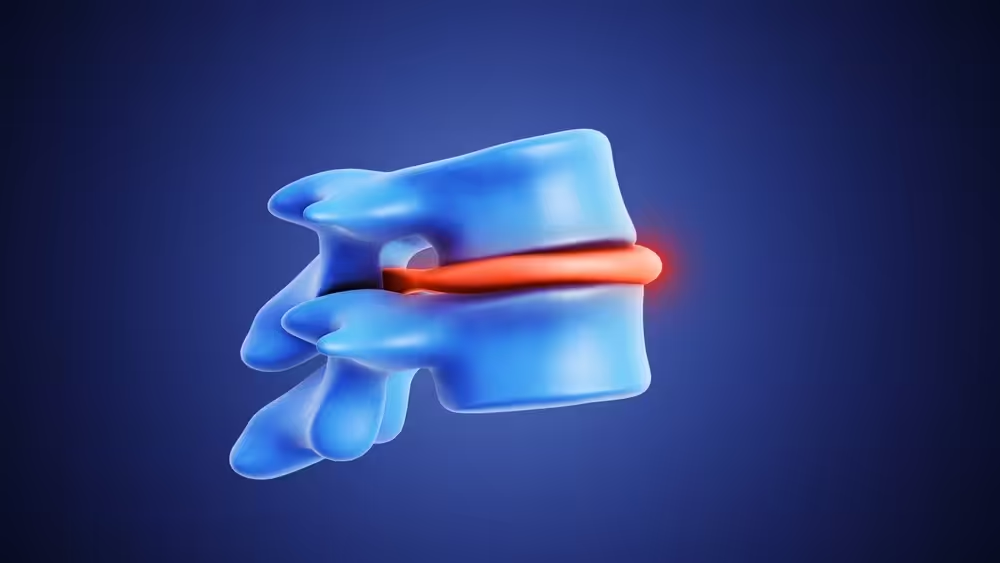
If you have been told you have a bulging disc or a herniated disc, the terms can sound interchangeable. Many patients assume they describe the same problem. Clinically, they do not. The difference matters because it directly affects symptoms, recovery timelines, and the type of treatment that is most appropriate.
At our chiropractic clinic in Tarpon Springs, disc injuries are one of the most common reasons patients seek care. Understanding what is actually happening in your spine is the first step toward choosing the right treatment and avoiding unnecessary procedures.
This article explains the difference between bulging and herniated discs, how chiropractors evaluate them, and why treatment plans should not be one-size-fits-all.
Spinal discs act as shock absorbers between the vertebrae. Each disc has two main components:
Disc injuries occur when these structures are stressed beyond their ability to maintain normal shape and function. How they fail determines whether the disc is classified as bulging or herniated.
A bulging disc occurs when the outer ring of the disc weakens and the disc extends outward evenly or asymmetrically beyond its normal boundary. The annulus remains intact, but the disc loses its normal contour.
Bulging discs are often associated with:
In many cases, bulging discs do not immediately compress nerves. Symptoms can be mild or intermittent, which is why they are sometimes dismissed or overlooked.
A herniated disc is a more advanced injury. In this case, the outer annulus develops a tear, allowing the inner disc material to protrude outward. This protrusion can directly irritate or compress nearby spinal nerves.
Herniated discs are more likely to cause:
Herniations are commonly linked to sudden trauma, lifting injuries, or progression from an untreated bulging disc.
While imaging reports often list both findings, their clinical implications differ.
These distinctions guide how aggressively we treat and which therapies are appropriate.
Stretching, rest, or general exercise may help a mild bulging disc, but the same approach can aggravate a herniated disc. Treating them identically ignores the mechanical reality of the injury.
Treatment decisions are based on symptoms, exam findings, and imaging when available, not just the label on an MRI report.
Chiropractic care focuses on reducing mechanical stress on the injured disc and improving spinal function.
The goal is to create an environment where the disc can heal while minimizing nerve irritation.
Doctor’s Note:
A frequent scenario in our clinic is a patient told they have a “small disc issue” who continues normal activity until pain becomes severe. Often, a bulging disc has progressed into a herniation. Early evaluation allows us to intervene conservatively before nerve involvement worsens and recovery becomes more complex.
Clinical studies suggest that many disc injuries improve with conservative, non-surgical care when properly managed. Research has shown that targeted spinal care can reduce pain, improve function, and decrease the need for invasive procedures in appropriately selected patients.
Importantly, outcomes tend to be better when care is based on the specific type of disc injury rather than generalized back pain treatment.
Your first visit focuses on identifying which type of disc injury you are dealing with and whether nerves are involved.
The evaluation typically includes:
Only after this assessment do we recommend a treatment plan tailored to your condition.
When disc injuries are correctly identified, patients often experience clearer expectations and better outcomes.
Accuracy matters as much as treatment itself.
Yes. Ongoing stress or improper movement can cause a weakened disc to progress to a herniation.
No. Many herniated discs respond well to conservative care when properly managed.
Not always. Imaging findings must be correlated with symptoms and exam results.
Recovery varies. Some patients improve within weeks, while others require longer, structured care plans.
If you have been diagnosed with a disc problem or are dealing with persistent back or leg pain, understanding whether the issue is a bulging disc or a herniated disc is critical. The right diagnosis leads to the right care.
Our Tarpon Springs clinic provides thorough disc evaluations designed to identify the true source of your symptoms and guide you toward appropriate, conservative treatment options. Contact our office to schedule a consultation and take the next step toward informed, effective care.

© TARPON SPINE CENTER 2024. All Rights Reserved - PRIVACY POLICY
